
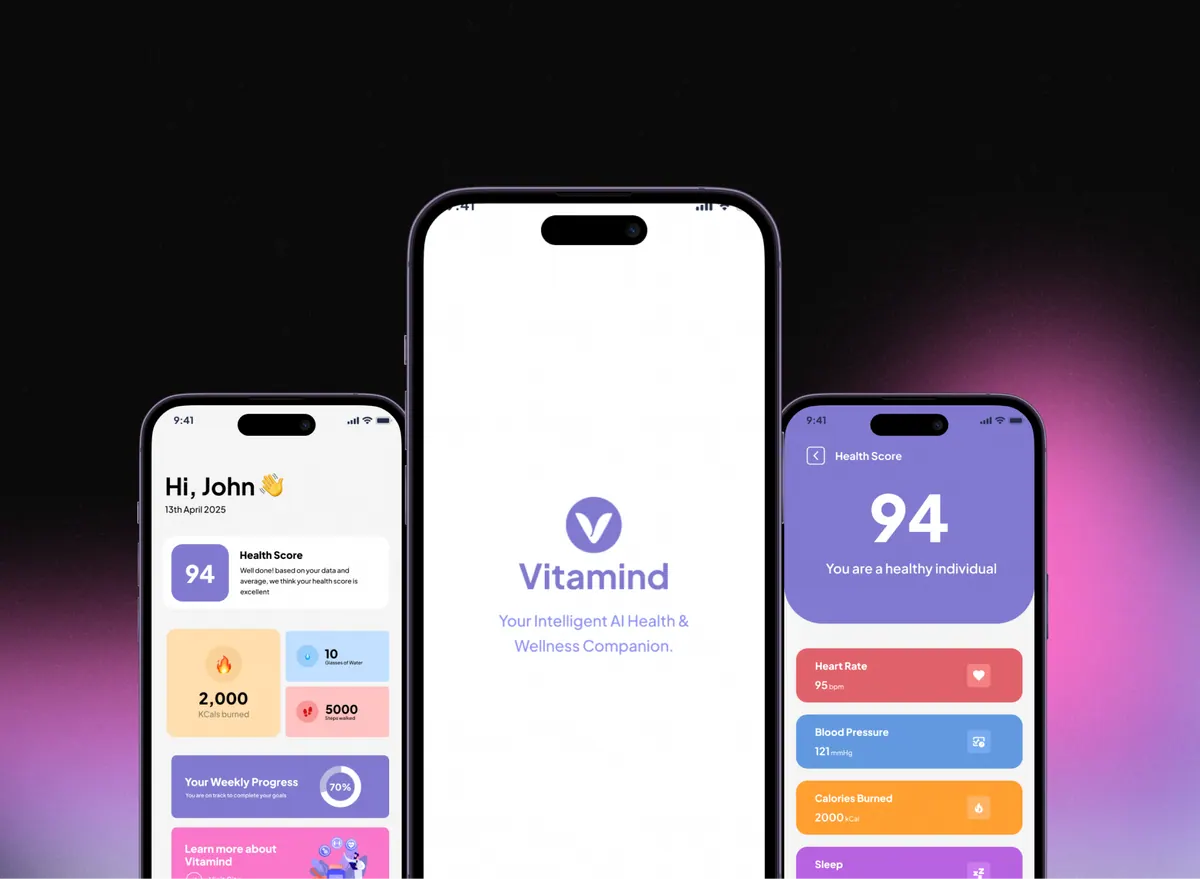
Vitamind Health Tracker
IoT-connected wearable companion for Android — syncs with health hardware around the clock and turns raw sensor data into plain-language wellness plans users actually follow.
KotlinJetpack ComposeHealth APIsFirebaseBLE


Kotlin-native apps engineered for the full Android device spectrum — fast on a flagship, solid on a mid-range, and through Play Store review on the first submission.
Tools & Technologies
IoT-connected wearable companion for Android — syncs with health hardware around the clock and turns raw sensor data into plain-language wellness plans users actually follow.
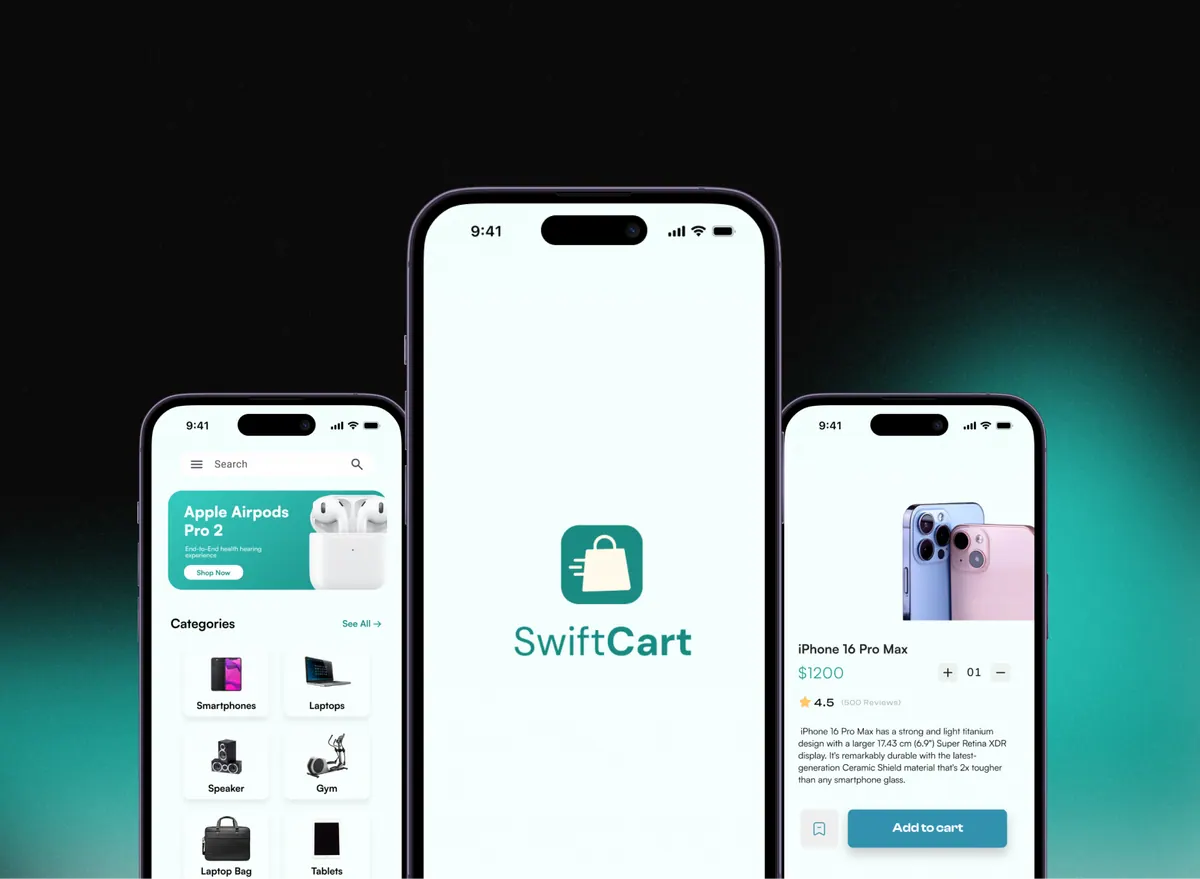
High-throughput Android commerce app with blockchain-verified payments under the hood — instant settlement, zero chargebacks, and a checkout flow that completes in under three taps.
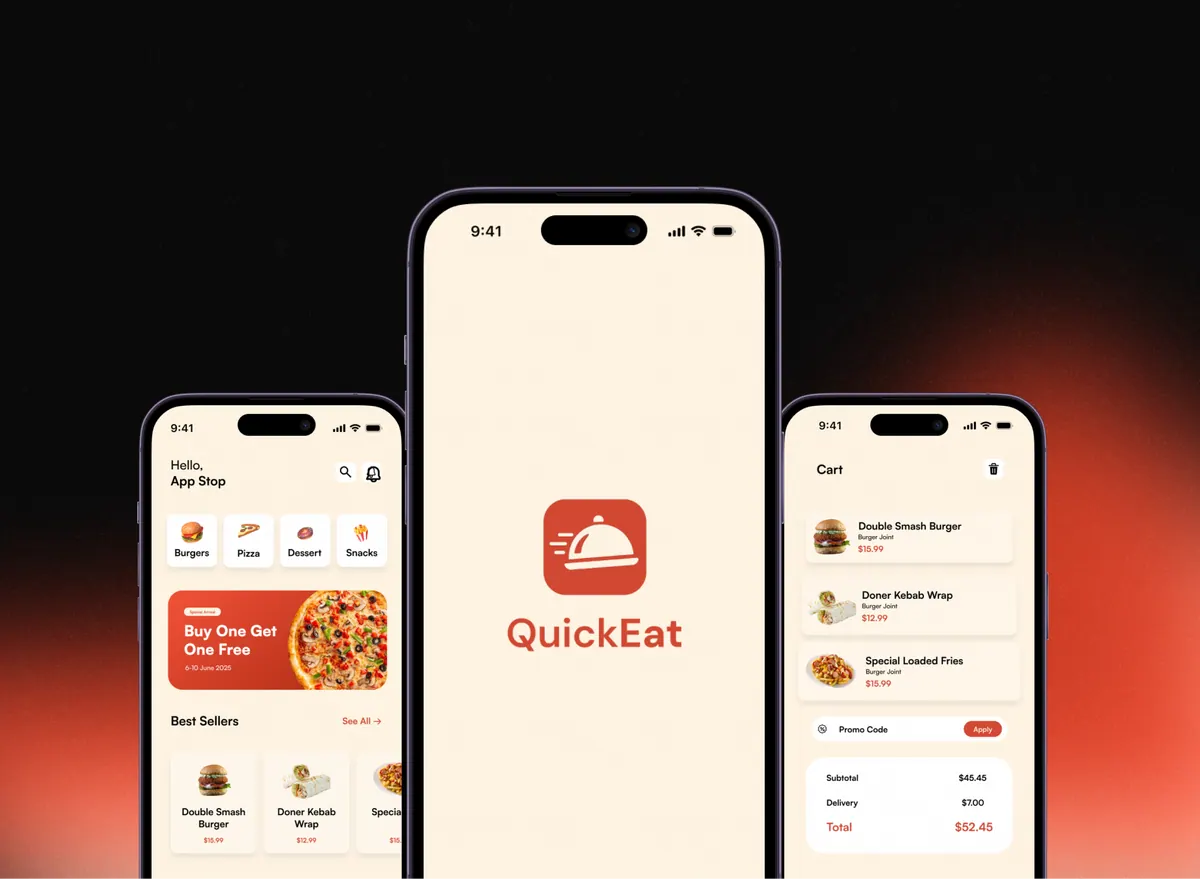
Android delivery app engineered for speed at every layer — average order completion under 45 seconds, rock-solid real-time tracking through peak hours, and zero downtime since launch.
We test across the real device distribution your users have — not just the Pixel in the office. Adaptive layouts, density buckets, and OS version coverage are part of every build, not a QA afterthought.
We handle build signing, release tracks, store listing copy, screenshot assets, content ratings, and staged rollout. You don't touch the Play Console unless you want to.
Dynamic colour, adaptive components, and predictive back gesture — we implement Android's design system fully, so your app feels native to every user's device, not just the designer's mockup.

We build to Google's policy requirements from the first sprint — data safety declarations, permission rationale, target API compliance — so your submission doesn't bounce on a technicality after months of build time.
Not the flagship. The two-year-old mid-range phone your median user is holding. We profile, optimise, and test on real hardware — not just emulators — so the experience is fast for everyone, not just reviewers.
Clean architecture (MVVM + Clean), documented modules, and dependency injection set up correctly — so your next feature sprint doesn't require a full archaeological dig through the original code.
Firebase Crashlytics, StrictMode in development, and automated UI tests in CI from day one — so your Play Store quality rating stays in the top tier and your reviews don't mention crashes.
App Stop takes ownership of both product thinking and execution. We combine design clarity, engineering discipline, and market context to ship experiences that are fast, usable, and ready to scale.
Delivery Model
We define the product problem, success metrics, and the delivery track that fits the business.
We shape the technical foundation, delivery milestones, and risk controls before sprint work begins.
We execute in focused iterations with demos, QA, instrumentation, and release planning in parallel.
We launch with observability, support, and a practical roadmap for what comes next.
Selected Work
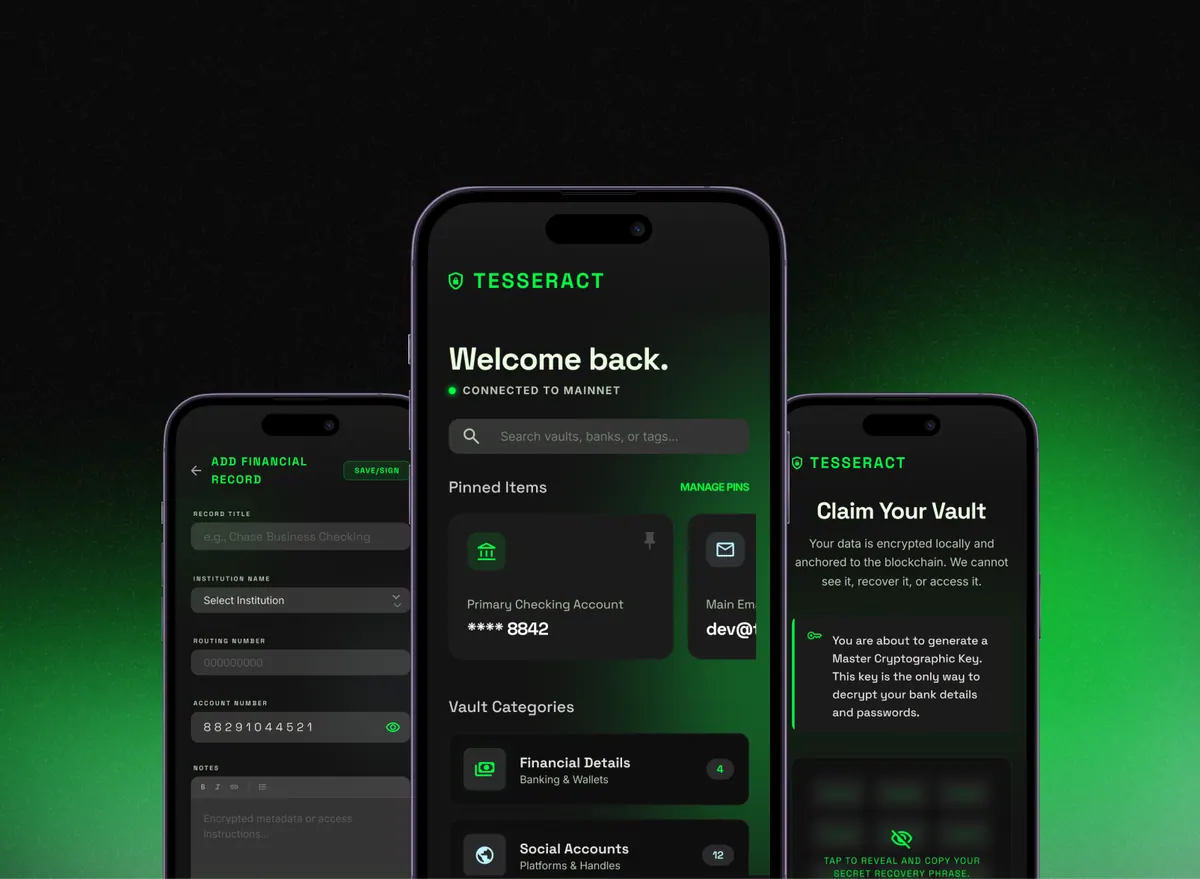
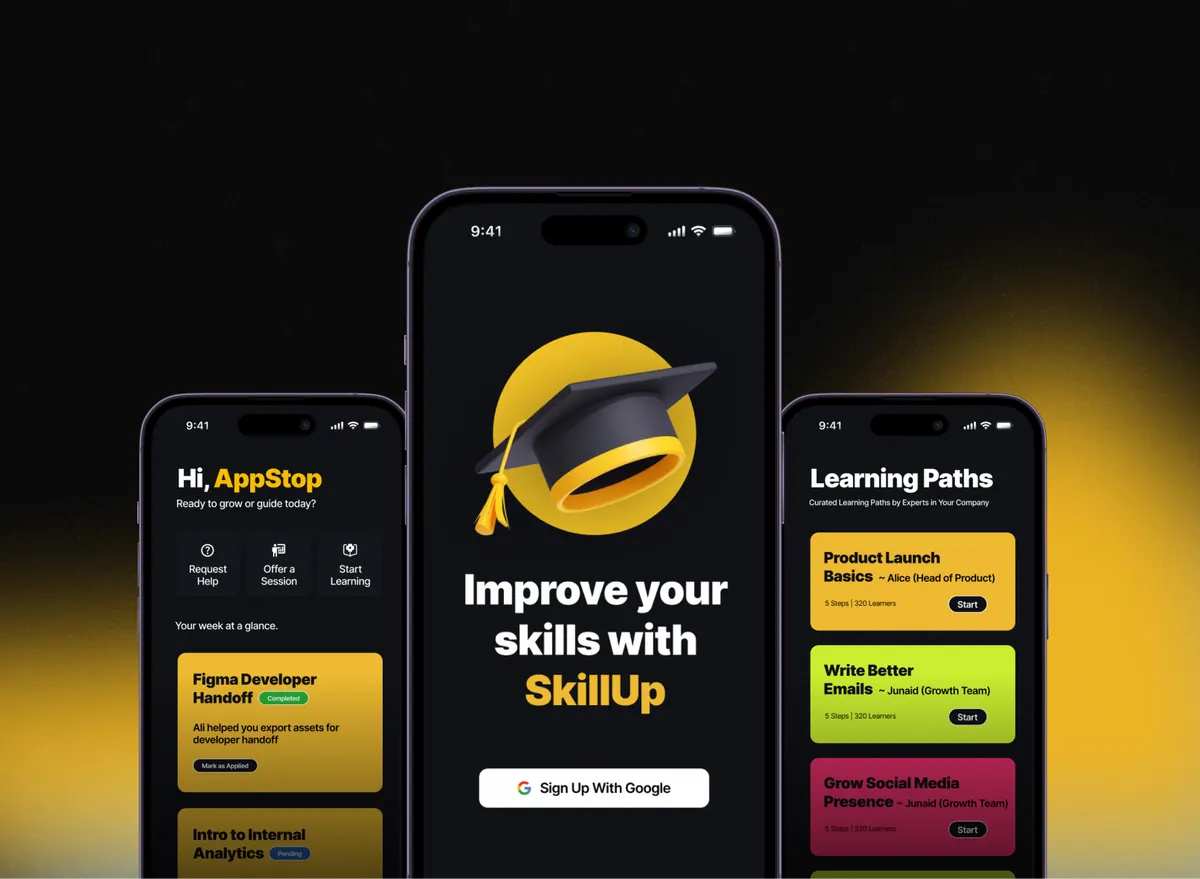
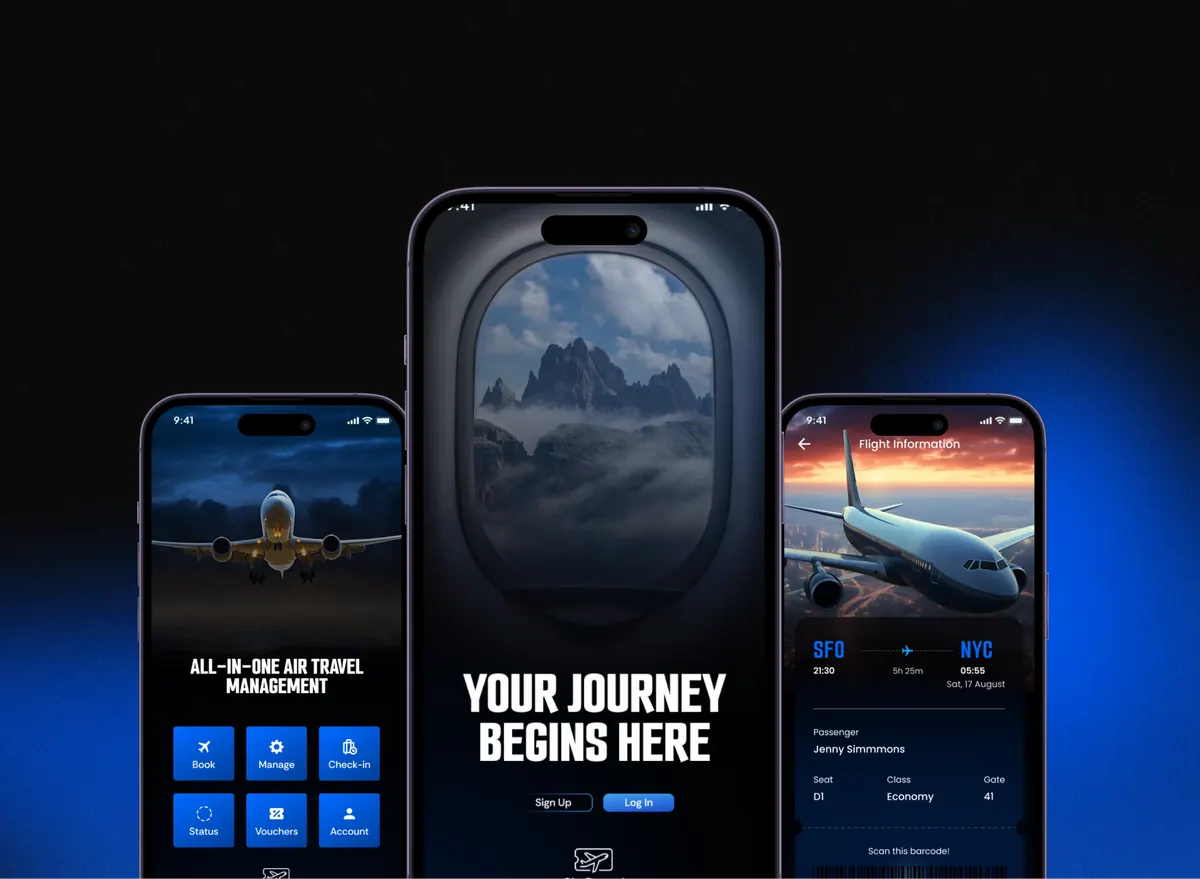
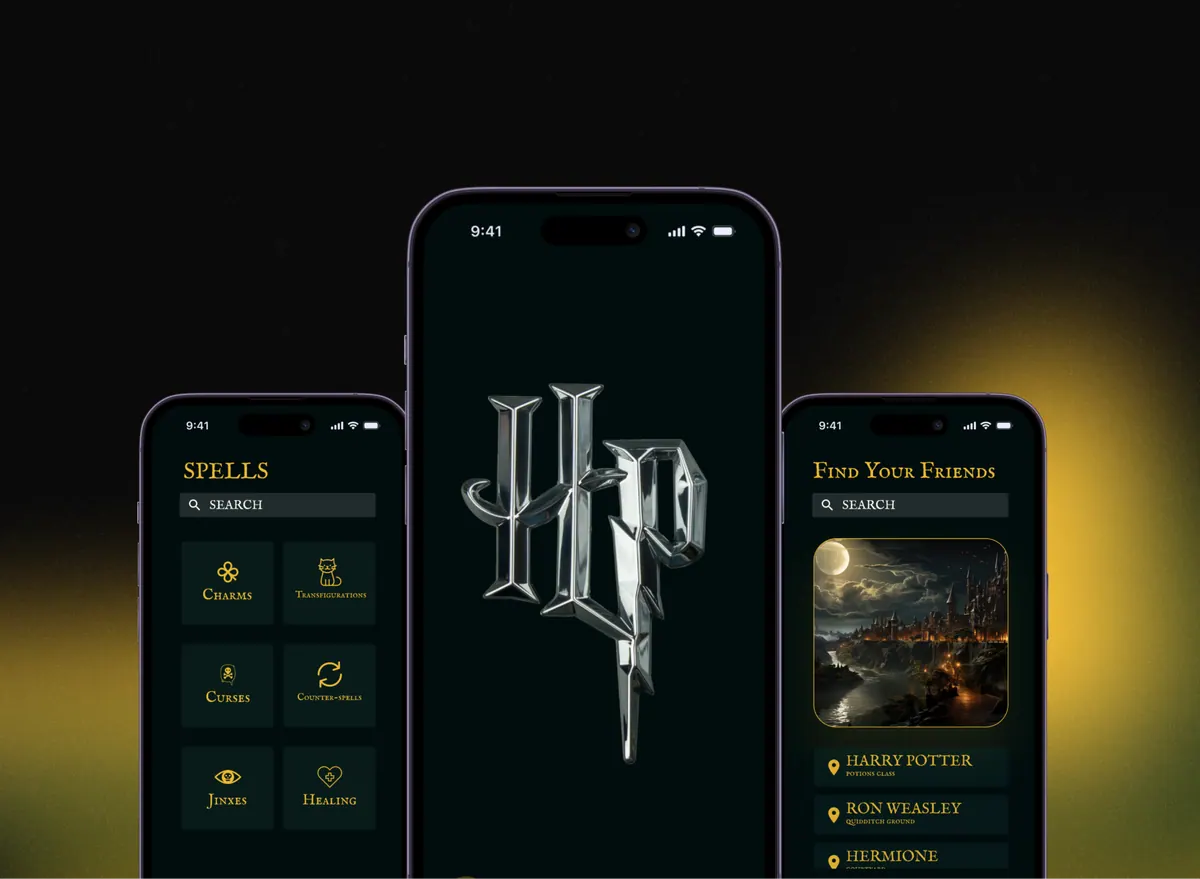
FAQ
Kotlin is our default — it's Google's preferred language and produces safer, more concise code with full coroutine support for async work. If you're on an existing Java codebase, we can work within it or migrate module by module without stopping feature delivery. We don't recommend rewrites for the sake of it.
Yes — and we treat it as a first-class requirement, not an afterthought. Adaptive layouts using WindowSizeClass, window insets, and multi-pane navigation are part of every build. Foldables get proper hinge-aware layout handling. Android TV support is available if your use case needs the living room.
End to end. We manage build signing, release track setup (internal → closed → open testing → production), store listing copy, screenshot and feature graphic assets, data safety form completion, content ratings, and staged rollout percentage. You get a launch-ready app and a documented release process you can run yourself going forward.
We set a minimum SDK level based on your target audience's real device distribution — not just the latest Android version. We use compatibility libraries to backport modern features, test on a representative device matrix covering the top manufacturers and OS versions your users have, and flag any feature-versus-compatibility tradeoffs early so you can make an informed call before build starts.